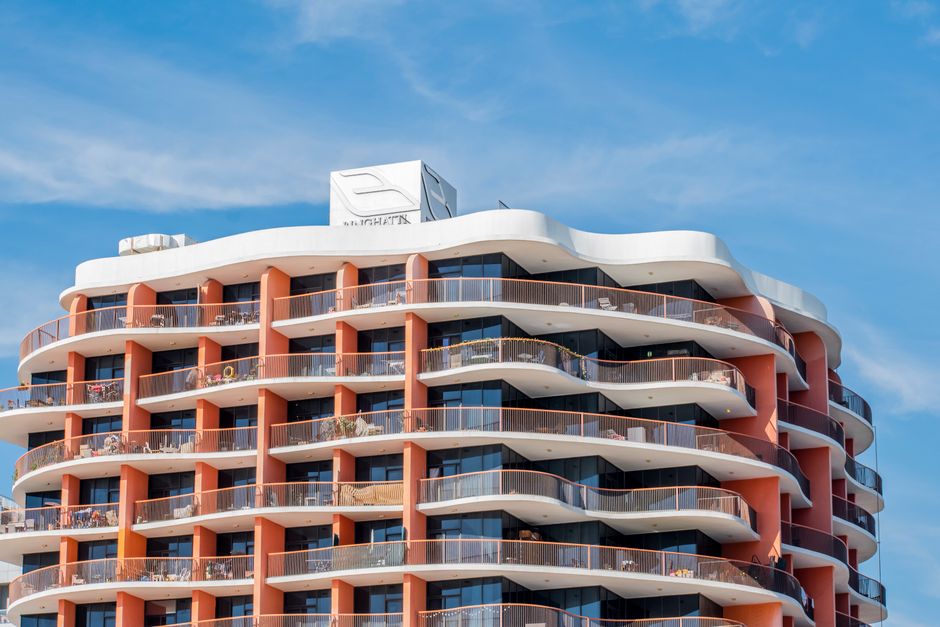

The landscape of commercial property taxation is experiencing a transformative shift, and understanding cost segregation study benefits 2026 has become essential for high-income property owners seeking maximum tax efficiency. Recent federal legislation permanently reinstated 100% bonus depreciation for qualifying property acquired after January 19, 2025, creating unprecedented opportunities for commercial real estate investors. This strategic tax approach allows property owners to reclassify portions of their commercial buildings from lengthy 39-year depreciation schedules to accelerated 5-, 7-, and 15-year categories, unlocking substantial first-year deductions. With cost segregation study benefits 2026 offering potential six and seven-figure cash-flow improvements in year one, sophisticated investors are positioning themselves to capitalize on these enhanced depreciation opportunities. The April 2026 implementation deadline creates urgency for strategic planning, as property acquisitions and study completion timelines must align with optimal tax positioning. Understanding these complex regulations and their practical applications can mean the difference between standard depreciation benefits and transformational tax savings that significantly impact your overall investment returns.
Understanding Cost Segregation Study Benefits 2026 in 2025
Cost segregation study benefits 2026 represent a fundamental shift in how commercial property owners can approach depreciation strategy, thanks to permanent federal legislation that has reshaped the tax landscape. The One Big Beautiful Bill Act permanently reinstated 100% bonus depreciation for qualifying property acquired after January 19, 2025, reversing the phasedown schedule that would have limited bonus depreciation to just 20% in 2026. This legislative change creates extraordinary opportunities for property owners who understand how to leverage accelerated depreciation through strategic cost segregation.
At its core, a cost segregation study is an engineering-based analysis that reclassifies building components from standard commercial real estate depreciation schedules. Instead of depreciating an entire commercial building over 39 years using straight-line depreciation, cost segregation study benefits 2026 allow owners to identify specific building components that qualify for 5-year, 7-year, or 15-year recovery periods. These shorter-life assets become eligible for 100% bonus depreciation, creating immediate tax deductions rather than spreading benefits across decades.
The methodology follows IRS Cost Segregation Audit Techniques Guide requirements, ensuring compliance while maximizing benefits. Typical studies identify 20% to 40% of total building costs as eligible for accelerated depreciation, with results varying based on property type, construction methods, and building components. For commercial properties, this translates to substantial portions of carpeting, electrical systems, lighting fixtures, specialized HVAC components, and other elements being reclassified for immediate expensing.
The timing advantage of cost segregation study benefits 2026 cannot be overstated. While standard commercial depreciation provides annual deductions of roughly 2.56% of building value, accelerated depreciation through cost segregation can generate first-year deductions exceeding 15-25% of total building costs. This front-loading of tax benefits improves cash flow precisely when property owners need capital most – during the acquisition and improvement phases of commercial real estate ownership.
For high-income earners subject to maximum federal tax rates, these accelerated deductions provide immediate relief at peak marginal rates. The present value of receiving substantial tax benefits in year one, rather than spreading them across 39 years, creates significant economic advantages that compound over time through reinvestment opportunities.
The 2025 Tax Landscape for High Earners
The current tax environment for high-income earners presents both opportunities and complexities that make cost segregation study benefits 2026 particularly valuable. For 2025, taxpayers face a transitional period where assets placed in service between January 1 and January 19 qualify for 40% bonus depreciation, while property acquired after January 19 receives full 100% bonus treatment. This timing differential creates strategic planning opportunities for investors who can structure their acquisitions around optimal tax treatment.
Section 179 expensing limits for 2025 provide additional context for cost segregation strategies. The current $2.5 million maximum deduction with a $4 million phaseout threshold means many high-income property owners exceed these limits, making bonus depreciation through cost segregation more valuable than Section 179 alternatives. For 2026, these limits increase to $2,560,000 maximum deduction with phaseout beginning at $4,090,000, but cost segregation study benefits 2026 offer unlimited bonus depreciation opportunities for qualifying assets.
IRS regulations require businesses to apply Section 179 deductions first, followed by bonus depreciation. However, Section 179 cannot create net losses, while bonus depreciation can generate net operating losses that carry forward or back to offset income in other tax years. This flexibility makes cost segregation study benefits 2026 particularly attractive for investors with variable income streams or those implementing multi-year tax strategies.
The Treasury Department’s recent guidance emphasizes that bonus depreciation applies to tangible MACRS property with class lives of 20 years or less, computer software, and qualified improvement property. Commercial real estate components identified through cost segregation studies typically fall into these categories, making them prime candidates for 100% first-year expensing.
State tax considerations add another layer of complexity, as states like California, New York, and New Jersey don’t conform to federal bonus depreciation rules. High-income earners in these jurisdictions must factor state-specific depreciation recapture and timing differences into their cost segregation planning, potentially requiring more sophisticated tax strategies to optimize overall benefits across federal and state obligations.
How Cost Segregation Study Benefits 2026 Works in Practice
Real-world applications of cost segregation study benefits 2026 demonstrate the substantial financial impact these strategies can deliver for commercial property owners. Consider a practical example: a $2 million medical office building where cost segregation analysis identifies $600,000 in building components eligible for accelerated depreciation. Under standard commercial depreciation, this property would generate approximately $51,280 in annual depreciation deductions. With cost segregation study benefits 2026, the accelerated components qualify for immediate 100% bonus depreciation, creating an additional $150,000 in first-year deductions.
At the maximum federal tax rate of 37%, this additional depreciation generates $55,500 in immediate tax savings. When cost segregation study expenses range from $8,000 to $12,000 for a property of this scale, the net benefit exceeds $43,500 in year one alone. This represents a return on investment exceeding 400% in the first year, with ongoing benefits as the remaining building components continue normal depreciation schedules.
A more detailed analysis reveals the compound benefits over time. For a $1 million commercial property with $200,000 allocated to land value, the depreciable basis equals $800,000. Standard 39-year commercial depreciation yields $20,512.82 annually. Through cost segregation study benefits 2026, reclassifying $300,000 to shorter recovery periods results in first-year depreciation of $53,772.89 versus the standard amount. At 37% tax rates, this produces $12,306.63 in additional tax savings, while study costs typically range from $5,000 to $8,000 for properties of this size.
Forbes analysis of commercial real estate trends confirms that moderate-sized commercial projects can generate six or seven-figure cash-flow benefits through strategic cost segregation implementation. The key lies in proper property selection and timing, as buildings with extensive specialized systems, unique architectural features, or significant personal property components typically yield the highest reclassification percentages.
One documented case study involving a retail complex demonstrates exceptional results: $476,924 in additional first-year depreciation at a combined 45% federal and state tax rate generated $214,616 in tax savings during the first year. The cost segregation study expense totaled $10,700, producing a 20-to-1 return on investment. These results underscore how cost segregation study benefits 2026 can transform property acquisition economics for sophisticated investors.
Key Strategies for Cost Segregation Study Benefits 2026
Maximizing cost segregation study benefits 2026 requires strategic implementation across multiple dimensions, beginning with optimal property selection and timing. Commercial properties with complex building systems, specialized tenant improvements, or unique architectural features typically yield the highest percentages of reclassifiable assets. Medical facilities, restaurants, manufacturing buildings, and mixed-use developments often contain substantial personal property components that qualify for accelerated depreciation treatment.
Timing strategies become particularly important given the January 19, 2025 threshold for 100% bonus depreciation eligibility. Property owners acquiring buildings in early 2025 received limited 40% bonus treatment, while acquisitions after January 19 qualify for full 100% expensing. For 2026 planning, cost segregation study benefits 2026 should be coordinated with acquisition timelines, as study completion typically requires 4-8 weeks from initiation to final report delivery.
Retroactive cost segregation strategies offer additional opportunities through Form 3115 applications. Property owners can conduct “look-back” studies for buildings purchased within the previous 15 years, claiming missed depreciation as a single catch-up adjustment in the current tax year. This approach allows investors to capture cost segregation study benefits 2026 for existing portfolios without amending previous tax returns, streamlining the implementation process while maximizing historical depreciation benefits.
The IRS guidance on accounting method changes provides specific procedures for implementing catch-up depreciation adjustments. These retroactive studies can be particularly valuable for property owners who have held commercial real estate for several years without conducting cost segregation analysis, as the accumulated missed depreciation can generate substantial current-year deductions when properly implemented.
Qualified Production Property (QPP) represents another strategic opportunity within cost segregation study benefits 2026. Factory buildings integral to production processes qualify for 100% depreciation when construction begins between January 20, 2025 and December 31, 2028, with property placed in service by December 31, 2030. This specialized category creates unique opportunities for manufacturing and industrial property owners to maximize depreciation benefits through careful planning and implementation.
Integration with vacation rental strategies adds another dimension for property owners with short-term rental portfolios. Vacation rentals with average stays of seven days or fewer qualify as trade or business activities rather than passive rental activities, allowing losses generated through cost segregation to offset W-2 income, business income, or investment income without passive activity limitations.
Common Mistakes to Avoid
Property owners pursuing cost segregation study benefits 2026 must navigate several potential pitfalls that can compromise results or create compliance issues. The most critical error involves engaging unqualified professionals to conduct cost segregation studies, as IRS audit rates remain elevated for these deductions, and substandard documentation can result in complete disallowance of benefits plus penalties and interest.
IRS requirements mandate that cost segregation studies be prepared by individuals with appropriate construction and tax law experience, with clear identification of preparers’ credentials and qualifications. The study must include detailed descriptions of methodology and asset classification procedures, supported by comprehensive documentation including site visits, construction documents, and interviews with relevant parties. Kiplinger’s tax strategy guide emphasizes that cutting corners on study quality to reduce costs often results in far greater expenses during IRS examinations.
Another frequent mistake involves misunderstanding the interaction between Section 179 expensing and bonus depreciation. IRS rules require applying Section 179 deductions first, which can limit or eliminate bonus depreciation opportunities if not properly planned. Since Section 179 cannot create net losses while bonus depreciation can generate net operating losses, property owners may inadvertently limit their tax planning flexibility by not coordinating these deductions strategically.
Depreciation recapture planning represents another area where property owners frequently err. Personal property identified through cost segregation faces Section 1245 recapture at ordinary income rates up to 25%, while real property components face Section 1250 unrecaptured gain treatment at maximum 25% rates. Failing to plan for eventual recapture can create unexpected tax liabilities upon property disposition, particularly when cost segregation study benefits 2026 have generated substantial upfront deductions.
State tax conformity issues create additional complexity that many property owners overlook. States like California, New York, and New Jersey don’t follow federal bonus depreciation rules, creating timing differences and potential recapture issues that must be addressed in comprehensive tax planning. Property owners in these jurisdictions need specialized guidance to navigate the interaction between federal cost segregation benefits and state tax obligations.
Documentation and record-keeping failures represent perhaps the most preventable yet common mistakes. Cost segregation studies require extensive supporting documentation that must be maintained throughout the property’s ownership period and beyond. Property owners who fail to maintain construction records, study documentation, or proper depreciation tracking often face difficulties during IRS examinations or property sales that can compromise the entire benefit of their cost segregation investment.
Advanced Cost Segregation Study Benefits 2026 Techniques
Sophisticated implementation of cost segregation study benefits 2026 extends beyond basic asset reclassification to encompass advanced strategies that maximize tax efficiency across multiple dimensions. One powerful technique involves coordinating cost segregation with Section 179D energy efficiency incentives, which provide up to $5.80 per square foot for qualifying energy-efficient building improvements placed in service after December 31, 2022. However, this incentive phases out for projects beginning construction after June 30, 2026, creating urgency for property owners to implement these strategies.
Multi-entity structuring can amplify cost segregation study benefits 2026 for property owners with complex investment structures. By allocating different building components across multiple entities, investors can potentially multiply Section 179 limitations while optimizing bonus depreciation benefits across their entire portfolio. This approach requires careful coordination with entity formation, partnership agreements, and overall tax planning to ensure compliance while maximizing benefits.
Installment sale strategies represent another advanced technique for managing depreciation recapture while preserving cost segregation benefits. Property owners can structure sales to spread recapture obligations across multiple tax years, potentially reducing overall recapture rates while maintaining cash flow advantages from accelerated depreciation. This approach works particularly well when coordinated with opportunity zone investments or 1031 exchanges that can defer or eliminate recapture obligations entirely.
The integration of cost segregation study benefits 2026 with conservation easements and historic tax credits creates additional planning opportunities for qualifying properties. Treasury regulations on historic preservation allow certain rehabilitation expenditures to qualify for both cost segregation treatment and historic tax credits, potentially doubling the tax benefits for qualifying improvements to historic commercial properties.
Advanced timing strategies become particularly important for property owners with multiple acquisitions planned across 2025 and 2026. By carefully coordinating purchase dates, study completion timelines, and placed-in-service dates, investors can optimize their exposure to 100% bonus depreciation while managing cash flow and tax planning across multiple tax years. This approach requires sophisticated coordination between acquisition teams, tax advisors, and cost segregation professionals to ensure optimal results.
Like-kind exchange strategies under Section 1031 can preserve cost segregation study benefits 2026 while enabling portfolio growth and diversification. When properly structured, exchanges allow property owners to carry forward accelerated depreciation benefits to replacement properties while deferring recapture obligations indefinitely. This technique becomes particularly powerful when combined with cost segregation studies on newly acquired exchange properties, creating compound benefits across multiple property transactions.
Your Action Plan for Cost Segregation Study Benefits 2026
Implementing cost segregation study benefits 2026 requires methodical planning and execution across multiple phases, beginning immediately with portfolio assessment and strategic planning for the remainder of 2025 and throughout 2026. Property owners should start by evaluating their current commercial real estate holdings to identify optimal candidates for cost segregation analysis, focusing on properties with values exceeding $300,000 and complex building systems that typically yield higher reclassification percentages.
The first critical step involves engaging qualified professionals with appropriate credentials and experience in both cost segregation methodology and IRS compliance requirements. Look for firms with certified public accountants, licensed engineers, or professionals with specific cost segregation certifications who demonstrate familiarity with the updated February 2025 IRS Cost Segregation Audit Techniques Guide. The study timeline typically requires 4-8 weeks, so properties targeted for 2026 cost segregation study benefits should begin the engagement process by April 2026 to ensure completion before optimal placed-in-service dates.
Documentation gathering represents a critical preparatory phase that property owners can begin immediately. Collect building plans, construction invoices, property tax assessments, and previous depreciation schedules for all properties under consideration. This information forms the foundation for quality cost segregation analysis and helps professionals provide accurate cost estimates and timeline projections for study completion.
For properties acquired in previous years, consider retroactive cost segregation study benefits 2026 through Form 3115 applications, which allow claiming missed depreciation for properties purchased within the last 15 years as a single catch-up adjustment. This strategy can provide immediate cash flow benefits while positioning the portfolio for ongoing accelerated depreciation advantages.
Coordinate cost segregation planning with overall tax strategy, particularly regarding Section 179 expensing elections, state tax considerations, and multi-year income planning. Properties in states that don’t conform to federal bonus depreciation rules require additional planning to optimize benefits across federal and state tax obligations. Consider the timing of other major income events, such as business sales or large capital gains, to maximize the value of accelerated depreciation deductions.
Finally, establish ongoing relationships with qualified cost segregation professionals who can support future acquisitions and provide guidance on emerging opportunities. As cost segregation study benefits 2026 continue evolving with new legislation and IRS guidance, maintaining access to expert advice ensures optimal implementation across your entire commercial real estate portfolio. Document all cost segregation study benefits 2026 implementation carefully, maintaining detailed records that support IRS compliance and facilitate future tax planning decisions.
Ready to calculate your potential tax savings and optimize your approach to cost segregation study benefits 2026?
Our specialized tools are designed for high-income professionals.
Want expert guidance on managing cost segregation study benefits 2026 and implementing advanced tax strategies?
Work with our team of specialists who focus exclusively on high-earner tax optimization.
DISCLAIMER: The information on this website is for educational purposes only and does not constitute professional tax, legal, or financial advice. Tax laws are complex and change frequently. Individual results will vary. We recommend consulting with qualified professionals before implementing any tax strategy. To comply with IRS Circular 230, any federal tax advice on this website is not intended to be used, and cannot be used, to avoid penalties or to promote any transaction. Use of this website does not create a professional relationship with Tax GPS Group LLC. For personalized advice, schedule a consultation with our team.